


ISLAMABAD:
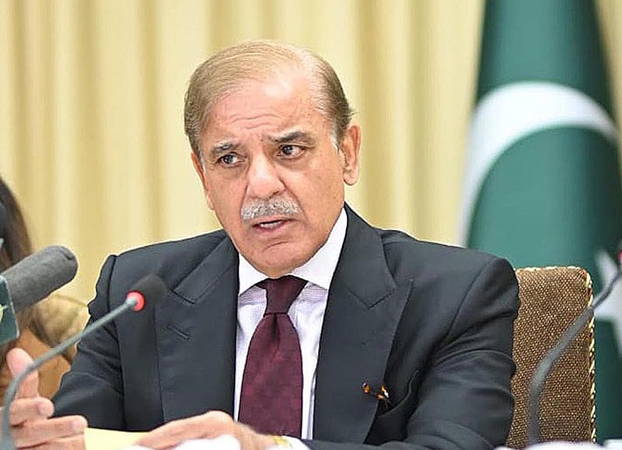
Prime Minister Muhammad Shehbaz Sharif on Monday expressed satisfaction over the recent performance of the National Vocational and Technical Training Commission (NAVTTC) and directed the setting of new, enhanced targets for technical and vocational training programmes to further improve future outcomes.
Chairing a high-level review meeting on the newly introduced vocational training ecosystem, the prime minister conducted a detailed assessment of ongoing NAVTTC initiatives and emphasized the full implementation of the Apprenticeship Law across the country.
The prime minister welcomed the initiative of providing international certifications to Pakistani skilled manpower, stating that it would significantly enhance their competitiveness in the global job market. He directed the Ministry of Foreign Affairs and the Ministry of Overseas Pakistanis to intensify efforts to increase the placement of Pakistani skilled workers, particularly in Gulf countries.
Highlighting the potential of Pakistani youth, the prime minister said that a comprehensive skills development programme had been launched through NAVTTC to effectively harness this talent. He noted that, by the grace of Allah, positive results of these technical and vocational training initiatives were now clearly visible.
To improve transparency and accountability, the prime minister directed the implementation of a biometric attendance system for both trainees and instructors in all NAVTTC-affiliated training institutions. He further stressed the need for enhanced coordination with provincial authorities to expand NAVTTC programmes and reach a larger workforce nationwide.
The prime minister reiterated that providing youth with skills training aligned with high-demand international sectors, along with globally recognized certifications, must remain the top priority. He instructed that institutions showing unsatisfactory performance under NAVTTC should have their memberships suspended and face strict action.
Additionally, he ordered complete digitisation of NAVTTC systems and strengthening of online monitoring mechanisms to ensure efficiency and transparency.
The meeting was attended by private-sector third-party validators, industrial partners, professional firms, representatives of chambers of commerce and business associations, and experts from the artificial intelligence and information technology sectors.
Officials briefed the meeting that all targets previously assigned by the prime minister had been successfully achieved. NAVTTC is ensuring third-party validation of training programmes, biometric attendance of trainees, and high-quality standards for trainers.
The meeting was also informed that Pakistan’s first skill-based bond had been launched under NAVTTC, enabling results-based funding for vocational training through private-sector participation.
Currently, NAVTTC is conducting training programmes in information technology, agriculture, fintech, mining, tourism, sports, hospitality, shipbuilding, and other internationally high-demand sectors across the country.
For the first time in Pakistan’s history, all technical and vocational training programmes under NAVTTC have been aligned with industry requirements, with 148 industries engaged nationwide. Training programmes have also been introduced in madaris, and the meeting was briefed on graduates who successfully completed these initiatives.
According to statistics presented, over the past year 146,000 individuals received training through NAVTTC, while more than 15,000 were awarded international certifications. Under the Takmeel initiative, over 300,000 individuals were trained, and more than 280,000 secured employment in Saudi Arabia.
Following the evaluation of more than 350 institutions, NAVTTC granted licences to eligible organizations to provide internationally recognized training. In addition, a pilot project for industry-specific training covering over 10,000 individuals was launched, while 2,600 new institutions were registered nationwide.
Officials further explained that payments to training providers are strictly made on a results-based model, and briefings were also given regarding collaboration with international certification bodies such as Google and Microsoft.
The meeting concluded with confirmation that all targets assigned to NAVTTC by the prime minister had been successfully achieved.

