


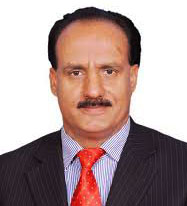
Sardar Shaukat Mehmood Khan
Across continents, the world faces an unprecedented convergence of conflict, political tension, and humanitarian strain. From Kyiv to South Asia, Libya to the Middle East and Bangladesh, global stability is under pressure — and the United States, as a major international actor, plays a critical role in shaping outcomes.
Ukraine: Diplomacy Under US Engagement
Peace talks in Abu Dhabi have unfolded amid renewed missile and drone strikes on Kyiv and other cities. Civilians bear the brunt: homes destroyed, families displaced, and essential services disrupted.The United States has been central to coordinating diplomatic pressure and military support for Ukraine. Its engagement — including sanctions, security assistance, and participation in multilateral forums — underscores the necessity of sustained international backing to prevent the erosion of trust and to enable meaningful negotiations. Without US leadership in maintaining allied cohesion, efforts to stabilise Eastern Europe risk faltering.
South Asia: US Interest in Stability and Soft Diplomacy
In South Asia, Pakistan’s withdrawal from a scheduled cricket match against India reflects the broader politicisation of soft diplomacy channels. While not a direct US bilateral issue, Washington has historically encouraged regional stability through dialogue and conflict prevention initiatives. US diplomatic engagement, paired with multilateral organisations, serves as a stabilising influence in mitigating tensions that could spill over into wider security or economic concerns.
Libya: Strategic and Humanitarian Stakes
Libya remains a volatile arena, with reports of Saif al-Islam Gaddafi’s death — though unconfirmed — heightening political uncertainty. Competing authorities, armed groups, and fragile institutions continue to threaten public safety, migration flows, and energy markets.The United States, working with the UN and NATO partners, has been pivotal in supporting inclusive political processes, mediating dialogue among factions, and coordinating humanitarian aid. US diplomatic and strategic involvement highlights the broader principle that Libya’s stability is not merely regional but of transatlantic and global significance.Global Health and Humanitarian ImperativesThe WHO’s US$1 billion appeal reflects the widening gap between humanitarian needs and resources, particularly in fragile states. Displaced populations face immediate risks: missed vaccinations, inadequate maternal care, and failing health infrastructure.US leadership in global health funding and coordination is critical. Beyond moral imperatives, Washington’s engagement ensures that multilateral agencies can operate effectively, stabilising regions where health crises intersect with security and migration concerns.
Middle East: US as Diplomatic and Security Anchor
Geopolitical tensions in the Middle East remain acute. Diplomatic talks with Iran are in flux, while incidents in regional waters have raised maritime security concerns. The United States’ role — both as a direct actor and as a guarantor of allied security — is decisive. US presence shapes deterrence dynamics, energy security, and the balance between dialogue and force. Without credible US engagement, regional flashpoints could escalate rapidly, with global economic and security repercussions.
Bangladesh: Supporting Human Rights and Democratic Norms
Election season in Bangladesh has coincided with rising attacks on minority communities. The US, through diplomatic engagement and support for civil society, highlights the international obligation to protect vulnerable populations and strengthen electoral integrity. Washington’s influence in encouraging transparent governance and accountability mechanisms complements broader multilateral efforts.
Multilateral Engagement:
US as a CatalystEven amid crises, international events such as the Milan–Cortina Winter Olympics demonstrate the value of co-operation. US participation and leadership in multilateral forums provide a stabilising influence, facilitating dialogue, cultural exchange, and confidence-building measures that extend beyond formal diplomacy.
Conclusion:
The Imperative of US-Led Co-operationThe world stands at a crossroads. Conflicts, political tensions, and humanitarian pressures are deeply interconnected, demanding coordinated responses. The United States plays a central role in shaping diplomatic strategies, supporting multilateral institutions, and ensuring humanitarian relief. Global actors must act decisively to:Protect civilian lives and uphold human rightsEnsure sustained humanitarian and health fundingStrengthen inclusive political and governance processesPreserve and expand multilateral dialogue under US leadershipToday’s crises are not distant problems; they are immediate, interlinked, and global. The effectiveness of US-led engagement, alongside committed international partners, will determine whether the coming months reinforce instability or lay the foundations for durable peace, justice, and co-operation.

