


LAHORE
Chairperson Benazir Income Support Programme (BISP), Senator Rubina Khalid, has announced that the BISP Board has approved the inclusion of never-married women aged 45 years and above in the programme, making them eligible for financial assistance subject to fulfilment of the prescribed criteria.
Addressing a press conference in Lahore, Senator Rubina Khalid said the decision would extend social protection to another deserving segment of society and strengthen the programme’s commitment to supporting vulnerable women.
Highlighting BISP’s nationwide outreach, she said that approximately five million of the programme’s more than 10 million beneficiary families belonged to Punjab. She said these figures demonstrated the programme’s national, inclusive and non-partisan character, with assistance provided to eligible families across Pakistan without discrimination on political grounds.
Digital Payments to Empower Beneficiary Women
Speaking about the newly introduced digital payment mechanism, the BISP Chairperson said that, under the guidance of President Asif Ali Zardari and Prime Minister Shehbaz Sharif, digital mobile wallets and an interoperable payment system had been introduced to make financial assistance more transparent, accessible and convenient.
She explained that the system had been developed through 1LINK in collaboration with six partner financial institutions: JazzCash, Easypaisa, Habib Bank Limited, HBL Microfinance Bank, Bank of Punjab and Bank Alfalah.
Under the new arrangement, beneficiary women would no longer be restricted to designated payment centres and could withdraw their entitled funds from authorised agents or retailers of participating banks across the country, according to their convenience.
Senator Rubina Khalid said free SIM cards had been provided to beneficiary women and digital wallet accounts activated in their names. They would receive SMS notifications when funds were credited and when withdrawals were made, enabling them to monitor transactions and maintain greater control over their financial assistance.
She advised beneficiaries to keep their mobile phones, SIM cards and banking messages secure and immediately report any suspected fraud or unauthorised deduction to the relevant bank or nearest BISP office.
Strict Action Against Unauthorised Deductions
The Chairperson thanked the State Bank of Pakistan, particularly its Governor, for providing guidance and support in developing the new payment system.
Emphasising that financial assistance was the rightful entitlement of beneficiary women, she warned that strict action would be taken against individuals involved in corruption, fraud or unauthorised deductions. She added that banks would also be held accountable for any unlawful deductions from beneficiaries’ payments.
She reiterated that registration, household surveys and all other services provided under BISP were entirely free of charge. Explaining the role of the Dynamic Registry, she said it was designed to regularly update information about beneficiary families and ensure that assistance reached eligible households.
She urged women to provide accurate information about themselves and their families during the survey process and cautioned them against paying money to anyone for registration or survey-related services.
Media Urged to Raise Awareness
Senator Rubina Khalid called upon the media to play an active role in educating women about the new digital payment system, withdrawal procedures and essential security precautions to ensure that beneficiaries could access their financial assistance safely and conveniently.
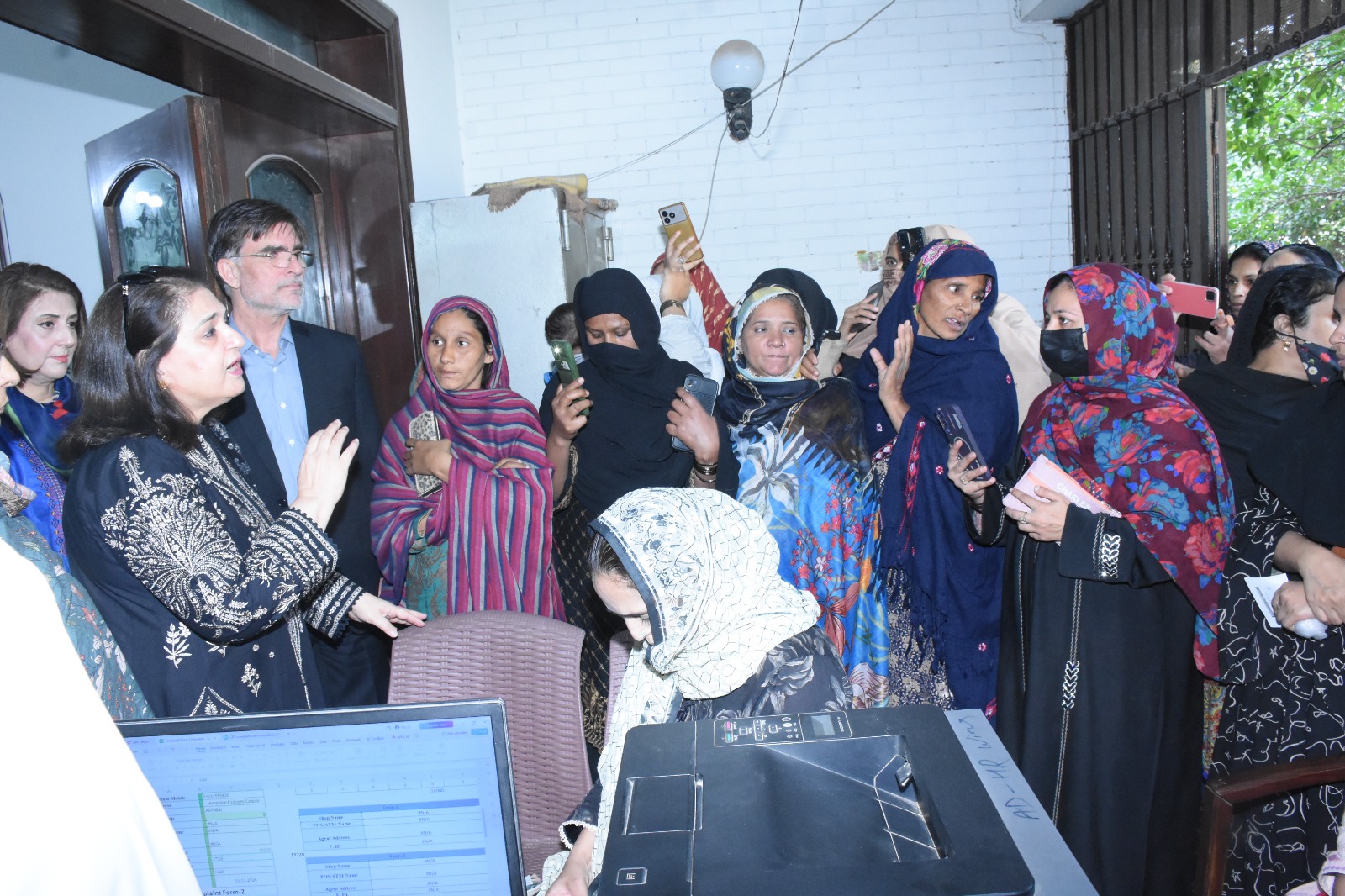
Earlier, the BISP Chairperson interacted with beneficiary women in Lahore, listened to their complaints and concerns and directed the relevant officials to take immediate steps to resolve their issues.
She also met representatives of civil society and women doctors, briefing them on various BISP initiatives, particularly the Benazir Nashonuma Programme.
During a separate meeting with officers and staff of the BISP Lahore Division, she reviewed operational matters, heard their concerns and instructed them to ensure that beneficiary women faced no difficulties in accessing programme services.
Stressing the importance of respectful and efficient public service, she directed BISP staff to treat all beneficiaries with dignity and provide timely assistance and the maximum possible facilitation.

