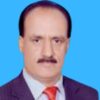
ISLAMABAD: Leader of the Opposition in the Senate Raja Nasir Abbas on Monday strongly criticized the government over the situation in Khyber Pakhtunkhwa (KP), warning against pushing the province “against the wall” and asking what would happen if people took to the streets. Speaking during a Senate session, Abbas accused the government of undermining the public mandate and targeting elected representatives in KP. “You have captured the last fortress as well and robbed the people of their mandate,” he said, alleging that the KP chief minister and ministers had been arrested and that an MNA from the province had also been detained. He claimed that elected representatives in KP had been sidelined and replaced by people loyal to the government. Abbas said the country was witnessing widespread protests and warned that Pakistan was heading towards instability. He also criticized the state of the judiciary and said political decisions should have been left to politicians. Referring to Pakistan’s regional connectivity, Abbas said the country was facing restrictions on several borders and questioned how an economically isolated country could make progress. He also condemned the alleged detention of female relatives of politicians and said an entire province had been pushed against the wall. “It becomes dangerous when people fall silent,” he warned, adding that those who supported the measures against KP would bear responsibility for any future unrest in the province. Drawing a comparison with the events of 1971, Abbas said Pakistan had failed to learn from history. He argued that the refusal to accept the public mandate at the time had resulted in the country’s dismemberment. “Our province has been attacked, and now we are being told to come out of our holes. What will happen if the people actually come out?” he asked He said the situation in Baluchistan was already difficult and condemned the events of October 11. He added that taking control of the province would not make PTI founder Imran Khan politically irrelevant. Turning to regional developments, Abbas described the Yemen-Saudi Arabia conflict as dangerous and said Pakistan should avoid becoming a party to a confrontation between Muslim countries. “The Yemenis are Muslims too. They want dialogue. Pakistan should mediate to stop the war,” he said. He argued that neither the Senate nor the National Assembly had been adequately informed about decisions concerning the conflict and urged the government not to turn the issue into a sectarian dispute. “Pakistan should be a mediator, not a party, in a conflict between two Muslim countries,” Abbas said, calling for a joint session of parliament on Yemen. He also demanded an in-camera briefing on the reasons behind the closure of the Pakistan-Iran border. Responding to his remarks, Federal Minister Tariq Fazal Chaudhry said Pakistan had not committed aggression against any country and that measures concerning Saudi Arabia had been taken under the bilateral defense agreement. He said Pakistan remained committed to the defense of Saudi Arabia and the holy sites, adding that the government was still ready to hold talks with the opposition. “The committee formed by the government for negotiations still exists, and dialogue is the way forward,” he said. Federal Minister for Railways Hanif Abbasi criticised the opposition, questioning why its leaders had not attended the funerals of soldiers. He said the entire country considered the armed forces its own and also challenged the opposition to substantiate allegations concerning mineral agreements Federal Law Minister Azam Nazeer Tarar said parliamentarians had attempted to hold negotiations but alleged that some non-political elements prevented the process from succeeding. He also urged members not to interrupt colleagues while they were speaking during the session. Senator Samina Mumtaz Zehri, meanwhile, raised concerns over persistent disruptions during speeches. Citing Senate rules, she said members should not interfere when another lawmaker had the floor and urged ministers to address the issue.