


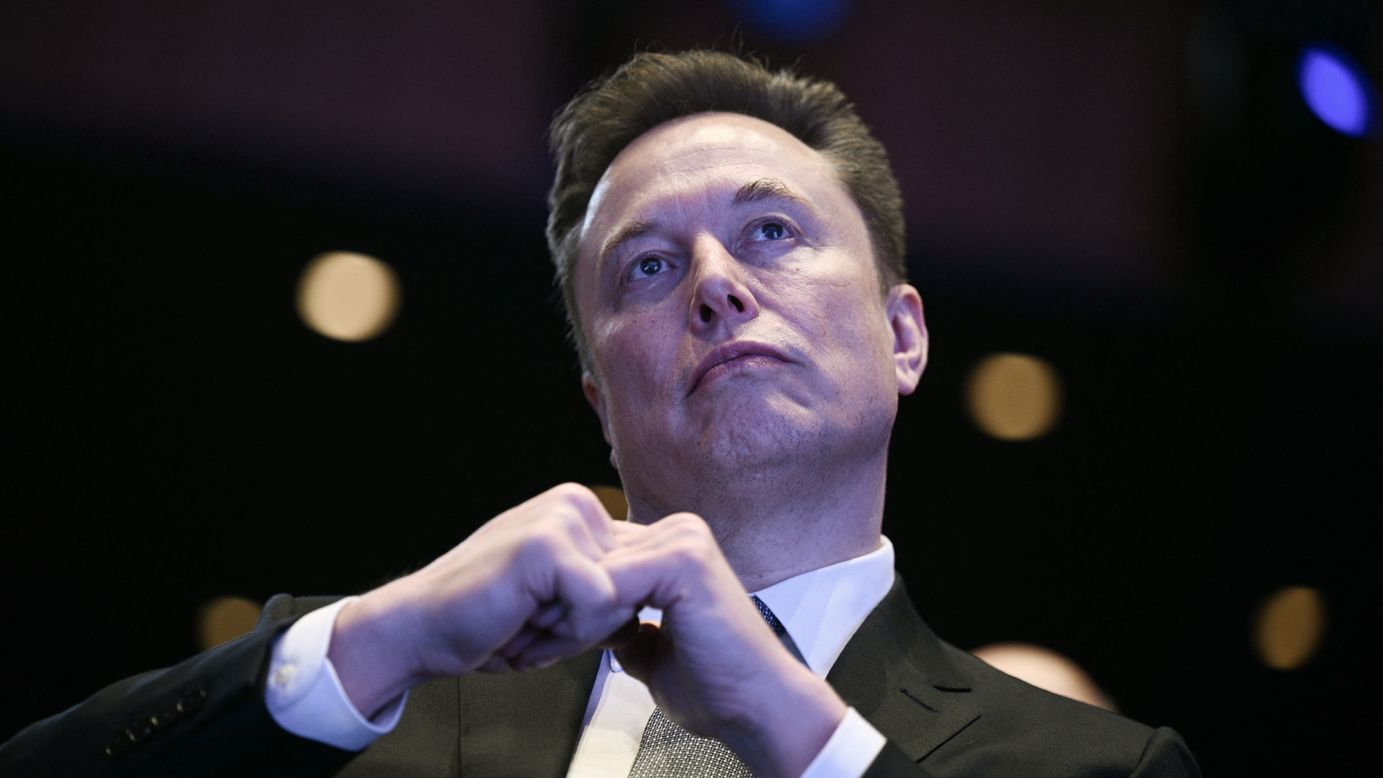
Elon Musk has never been shy about pushing technological boundaries. From electric vehicles and reusable rockets to brain-computer interfaces, his ventures consistently challenge how humanity thinks about the future. One of his most ambitious ideas now gaining attention is Elon Musk AI data centers in space—a concept that could reshape how artificial intelligence is powered, scaled, and sustained in the decades ahead.
As global demand for AI computing power explodes, traditional Earth-based infrastructure is facing mounting pressure. Energy shortages, environmental concerns, land constraints, and cooling limitations are forcing innovators to look beyond conventional solutions. Against this backdrop, Musk’s interest in AI data centers in space may seem radical, but it is rooted in practical, long-term thinking.
The Growing Strain on Earth-Based AI Infrastructure
Artificial intelligence systems require enormous computational power. Training advanced models involves thousands of high-performance processors running continuously, consuming vast amounts of electricity and generating intense heat. Today’s data centers already account for a significant share of global energy use, and that demand is expected to rise sharply.
Cooling these facilities is one of the biggest challenges. Many data centers rely on water-intensive cooling systems, which can strain local resources—especially in regions already facing water scarcity. In densely populated areas, finding suitable land for large-scale facilities has also become increasingly difficult.
These limitations are pushing technology leaders to explore unconventional alternatives. For Musk, the answer may lie far above Earth’s surface.
Understanding the Elon Musk Space AI Project
The Elon Musk space AI project revolves around relocating parts of AI infrastructure beyond Earth. The idea is not to move all computing into orbit overnight, but to gradually build space-based data centers that complement ground facilities.
Space offers unique advantages. One of the most compelling is access to uninterrupted solar energy. Unlike Earth, where solar power is limited by night cycles and weather, orbiting platforms can receive near-constant sunlight. This makes solar-powered data centers in space a potentially reliable and sustainable energy solution for power-hungry AI systems.
Cooling is another major benefit. In the vacuum of space, excess heat can be radiated away more efficiently without relying on water or complex cooling towers. This could significantly reduce operational costs over time.
The Role of SpaceX and AI Infrastructure in Space
SpaceX plays a central role in making this vision feasible. With its reusable rockets and rapidly declining launch costs, SpaceX has already transformed the economics of space access. These capabilities are crucial for deploying and maintaining space-based data centers.
SpaceX AI data centers could be supported by constellations of AI powered satellites, working together as distributed computing networks. Instead of one massive facility, computing workloads could be spread across multiple orbital units, improving resilience and scalability.
This approach aligns closely with Musk’s broader strategy of vertical integration—controlling the entire ecosystem from launch to operation.
Artificial Intelligence in Space: A Strategic Advantage
Beyond efficiency, artificial intelligence in space offers strategic advantages. Space-based systems are less vulnerable to natural disasters, extreme weather, and certain terrestrial disruptions. For critical AI applications—such as global communications, navigation, climate monitoring, and defense—this added resilience could be invaluable.
AI infrastructure in space could also support real-time data processing for satellites themselves. Instead of sending raw data back to Earth, satellites could analyze information in orbit, reducing latency and bandwidth demands. This would be particularly useful for Earth observation, disaster response, and scientific research.
Challenges and Risks Still Remain
Despite its promise, the concept is not without serious challenges. Building and maintaining hardware in space is complex and expensive. Radiation exposure can damage sensitive electronics, and repairing equipment in orbit is far more difficult than servicing a terrestrial data center.
There are also regulatory and ethical questions. Who governs space-based computing infrastructure? How will data security, privacy, and international law apply when servers are orbiting the planet?
Musk has acknowledged that this vision is long-term. Initial deployments are likely to be experimental, with gradual scaling as technology matures and costs decline.
Elon Musk’s AI Vision and the Future of Computing
At its core, Elon Musk AI vision is about ensuring that artificial intelligence can continue to grow without being constrained by Earth’s physical limits. Space-based data centers represent a bold attempt to future-proof AI development by tapping into vast, underutilized resources beyond our planet.
While critics argue that terrestrial solutions like nuclear energy or improved efficiency could address many current challenges, Musk’s approach reflects a belief that humanity must think on a planetary—and even interplanetary—scale to sustain technological progress.
Whether or not AI data centers in space become mainstream, the idea itself is already influencing how governments, corporations, and researchers think about the future of computing.
Islamabad Today and Its Technology & Business News Services
In Pakistan, platforms like Islamabad Today play an important role in keeping the public informed about such global innovations. Islamabad Today delivers reliable technology news and business news through multiple formats, making complex topics accessible to a wider audience.
The organization covers freelancer technology pty limited news, daily technology news, and top technology news, alongside comprehensive business news pakistan today. Readers can also access pakistan business news, pakistan latest business news, and business news in urdu for regional relevance. For Urdu-speaking audiences, business urdu news and pakistan business news in urdu ensure inclusivity and clarity.
By combining global technology developments with local context, Islamabad Today helps readers understand how innovations like space-based AI could impact Pakistan’s economy, startups, and digital future.
Looking Ahead
The idea of AI data centers in space may sound futuristic, but it reflects real pressures facing the technology sector today. As artificial intelligence becomes more central to everyday life, the infrastructure supporting it must evolve.
Elon Musk AI data centers in space are not just about ambition—they are about solving practical problems of energy, scalability, and sustainability. Whether this vision takes a decade or several decades to fully materialize, it signals a shift in how humanity thinks about computing, resources, and the role of space in our technological future.
One thing is certain: the conversation about AI is no longer confined to Earth.

